
Why Tile and Grout Cleaning Matters More Than Most Homeowners Realize
If you’ve ever looked at your kitchen floor and wondered when the grout lines turned dark, you’re not alone. Tile is tough, but grout is porous and it absorbs dirt, oils, spills, and bacteria faster than most people notice. What this really means is that even when the tile looks fine, the grout can be holding onto grime that affects your home’s cleanliness and your family’s health.
In Utah, where dust, hard water, and busy family traffic all collide, tile and grout tend to age faster. So if you’re in Salt Lake City, Sandy, Draper, Lehi, or anywhere across Utah County, understanding how often to clean your tile and grout can save you frustration and extend the life of your floors. If you want to explore more home care topics, visit our blog. By the end of this guide, you’ll know exactly when to clean, what signs to watch for, and how to keep everything looking fresh without guesswork.
What We’ll Cover
- How often tile and grout should be cleaned
- What affects your cleaning schedule
- Signs it’s time for a professional cleaning
- DIY maintenance vs professional deep cleaning
- What a professional cleaning includes
- Simple ways to protect and extend your clean floors
- FAQs and next steps
How Often Should You Clean Tile and Grout
Let’s answer the main question right up front. Most homes need routine tile cleaning every one to two weeks and a professional deep cleaning every 12 to 18 months. That said, grout behaves differently than tile, so grout often needs more attention, especially in kitchens, bathrooms, and entryways.
If you have kids, pets, light-colored tile, or high-traffic areas, you might need deep cleaning closer to the 8 to 12 month range. If your home is quieter and floors stay visibly clean, your schedule may stretch a bit longer. If you ever deal with odors or stains on other surfaces as well, our residential pet stain treatment services can help. What matters most is knowing the conditions that affect your tile and adjusting based on how your floors behave.
What Affects How Often Tile and Grout Need Cleaning
Here’s the thing: there’s no single schedule that fits every home. A few key factors determine how quickly dirt grabs onto grout and builds up on tile.
Foot Traffic
High-use rooms like kitchens, hallways, and bathrooms collect more dirt and oils. The more shoes, spills, and steam a space gets, the shorter the cleaning cycle. Commercial buildings face this too, which is why many partner with our commercial services.
Kids and Pets
Children and pets change everything. Dropped snacks, spills, muddy paws, and bathroom moisture all add up. Homes with pets often see darkened grout faster because oils stick to porous surfaces. If carpets are also affected, our guide on whether professional cleaning removes pet stains and odors may be helpful.
Tile Type
Some tile types are naturally more forgiving. Porcelain and ceramic resist stains well, but natural stone needs more frequent care because it absorbs faster and shows dullness sooner.
Grout Condition
If your grout has never been sealed or needs resealing, it absorbs dirt at double the rate. Sealed grout repels stains for longer, keeping the cleaning schedule more manageable.
Utah’s Environment
Hard water and dust are big contributors in Utah. Hard water leaves film and residue across shower tile and floors. And during dry months, dust settles into grout lines even when the house looks clean.
Understanding these factors helps you set a reliable schedule so you’re not reacting to stains or discoloration when they’ve already taken hold.
Clear Signs It’s Time to Clean Your Tile and Grout
Even with a regular routine, floors eventually start showing signals that deeper cleaning is overdue. Watch for these common indicators.
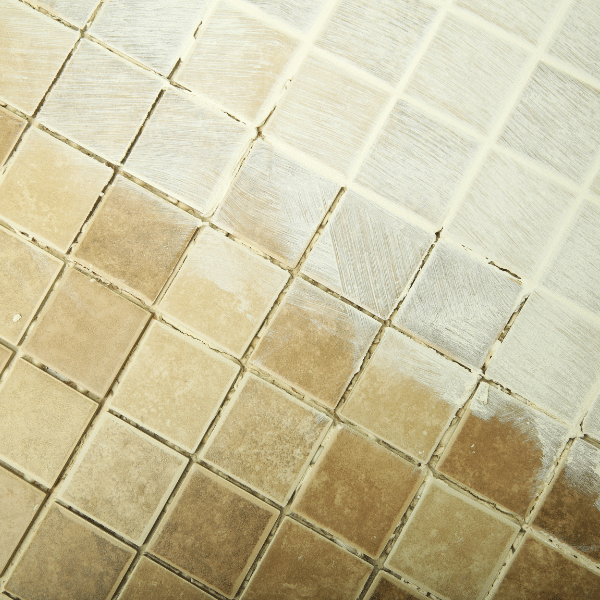
Darkening Grout Lines
This is usually the first sign homeowners notice. Grout shouldn’t be dark in patches or look uneven. If you can’t clean the discoloration with normal mopping, it’s time for a professional cleaning.
Slippery or Sticky Tile
Slipperiness comes from built-up oils, soap residue, or kitchen grease. Sticky floors often mean residue is being spread around instead of lifted during cleaning.
Lingering Odors
Grout absorbs moisture. Bathrooms and kitchens can hold odors that come from trapped bacteria in the grout lines. Professional cleaning breaks down these bacteria so the smell doesn’t return.
Visible Stains or Dullness
Spills leave marks, especially on light tile. As tile loses its natural sheen, dirt begins to bond more aggressively. Restoring the finish helps preserve the tile and reduces wear. If you struggle with spills elsewhere, this guide on cleaning ketchup stains may be helpful.
Mold or Mildew Growth
Showers and bathrooms commonly show this, especially in poorly ventilated spaces. If you see pink, black, or green buildup, don’t wait. That’s a sign the area needs attention immediately.
The earlier you catch these signs, the easier it is to restore and protect your surfaces.
DIY Cleaning vs Professional Deep Cleaning
Let’s break it down so you know exactly what you can handle at home and when it’s worth calling in help.
What DIY Cleaning Handles Well
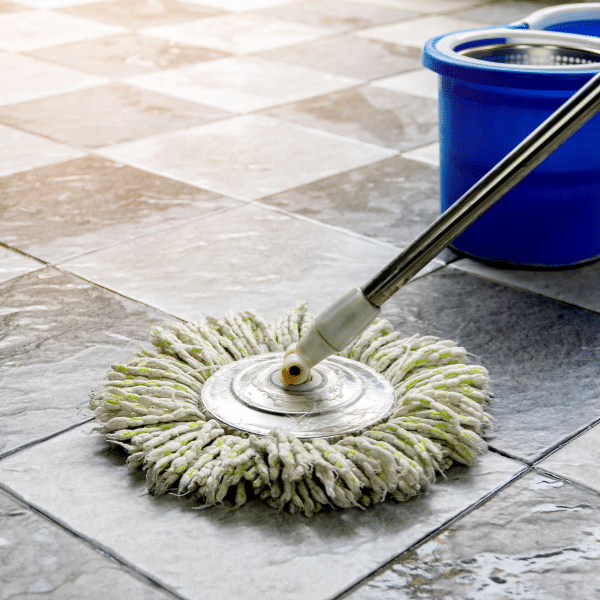
Most homeowners can maintain tile week to week with:
- Warm water and a mild pH-neutral cleaner
- Soft mops or microfiber cloths
- Bathroom grout brushes for light buildup
- Vinegar-free and bleach-free products for most tile types
This keeps surface dirt from settling and helps your floors look good between deeper cleanings.
What DIY Struggles With
DIY cleaning usually falls short when:
- Grout is deeply stained
- Soap scum or kitchen grease have bonded
- Mold settles into grout pores
- Hard water residue forms
- Floors have gone more than a year without deep cleaning
At this stage, scrubbing only pushes dirt deeper into the grout.
When Professional Cleaning Makes the Difference
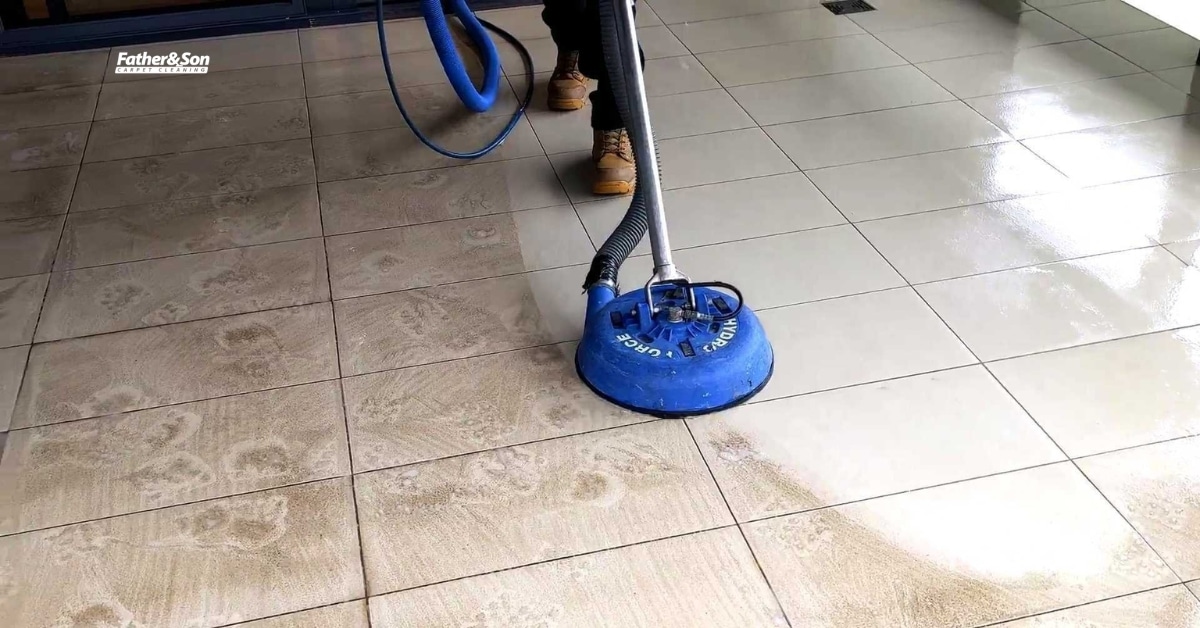
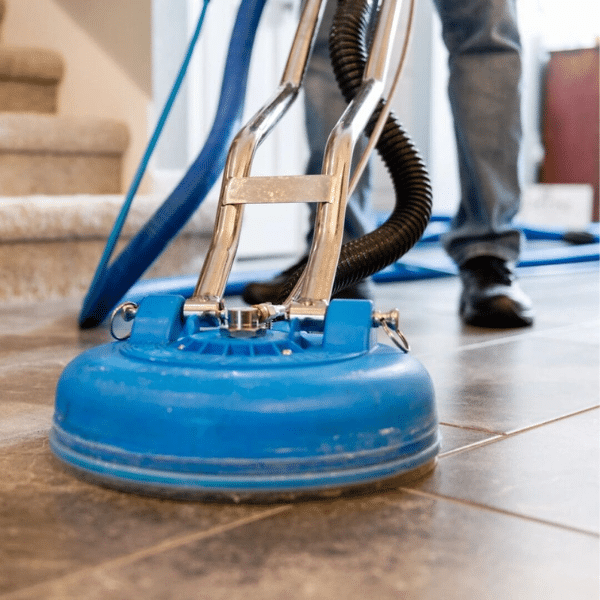
Professional grade equipment uses high pressure, high heat, and targeted cleaning agents that homeowners simply don’t have access to. At Father and Son Carpet Cleaning, we follow manufacturer-recommended methods to protect tile warranties while removing buildup safely. You can learn more about what sets our work apart in our page on what makes Father and Son different. Our final residue-free rinse is what makes the difference in how long your floors stay clean afterward.
If you want your tile restored and protected, professional cleaning is your best option for long-term results.
What Professional Tile and Grout Cleaning Includes
Most homeowners don’t realize how detailed a proper cleaning can be. A typical deep cleaning includes:
Pre-Inspection
Identifying tile type, grout condition, sealant age, problem spots, and environmental factors like hard water.
Pre-Treatment
Applying a safe, targeted cleaning solution that loosens dirt, grime, grease, and bacteria in both the tile and the grout.
Agitation
Using specialized tools to work the pretreatment into grout pores where dirt settles.
High-Heat Hot Water Extraction
This is the part DIY can’t match. Professional systems lift dirt out from inside the grout lines using hot water and pressure.
Residue-Free Final Rinse
This step is crucial. Many cleaners leave behind soap residue that attracts dirt faster. Our system rinses everything out so your floors stay cleaner longer.
Optional Grout Sealing
Sealing helps protect the freshly cleaned surface and dramatically slows down future staining. If you want to schedule this service directly, visit our tile and grout cleaning page.
A proper deep cleaning like this resets your floors to a near-new condition without damaging the tile.
Building Trust Through Experience and Real-World Work
At Father and Son Carpet Cleaning, we’ve spent years helping Utah homeowners restore tile that looked too far gone. Most jobs start the same way. A family tries to scrub their tile clean and gets frustrated because the grout won’t lighten or the tile still feels grimy. After a professional inspection, we usually find a combination of hard water film, buildup from store-bought cleaners, and older grout sealant. Once we complete the hot water extraction and rinse, the difference is night and day.
This experience matters because not all tile and grout behave the same. Understanding what method works for each home ensures you get results that last, not a temporary fix.
When You’re Ready for a Deeper Clean
If you’ve been noticing dark grout, buildup, or dull tile, it might be time to take the next step. Our team is here to help you restore your floors and keep them looking clean for as long as possible. You can explore our services or request a personalized quote at any time.
Frequently Asked Questions
Bring Your Tile Back To Life Today
Keeping tile and grout clean isn’t complicated once you understand what affects it and when to take action. Regular maintenance keeps things looking good, but deep cleaning restores the brightness, hygiene, and freshness you want. If your floors are losing their shine or your grout isn’t responding to your normal cleaning, getting professional help is the easiest way to reset everything and protect your investment.
When you’re ready to see the difference a proper deep cleaning can make, explore our contact page for easy scheduling.
Related Reads
- The benefits of regular commercial carpet maintenance
- How to get the right Utah carpet cleaning service
- Explore more helpful guides in our resources section

- How to Choose the Right Residential Carpet Cleaning: Complete Guide - August 26, 2026
- Comparison Page: Tile and Grout Cleaning Comparison: Options & Alternatives - June 29, 2026
- Flood Water Extraction FAQ - May 16, 2026