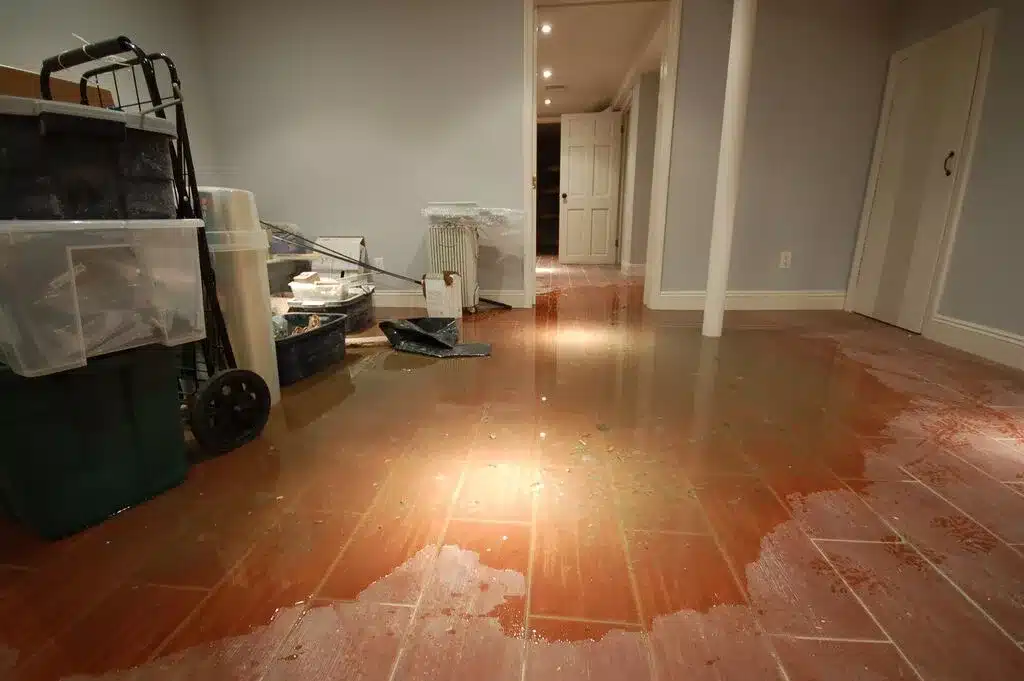

Water damage can happen without warning. A burst pipe, overflowing washing machine, plumbing leak, or unexpected flooding can leave your home or business with standing water and costly damage.
When water enters your property, act fast. Moisture can spread beneath carpets, soak into drywall, and reach subflooring before the full extent of the damage becomes visible.
Professional emergency water extraction removes standing water and limits further damage. However, water removal is only the first step. Proper drying, moisture monitoring, and additional cleaning may also be necessary.
At Father and Son Carpet Cleaning, LLC, we provide 24/7 emergency water extraction services for residential and commercial properties in Sandy, Salt Lake City, and surrounding Utah communities.
This guide answers common questions about emergency water removal, safety, equipment, costs, insurance, and recovery.
Need emergency water extraction in Utah? Call (801) 618-1390 for assistance or to request an estimate.
Understanding Emergency Water Extraction and Immediate Priorities
What Is Emergency Water Extraction?
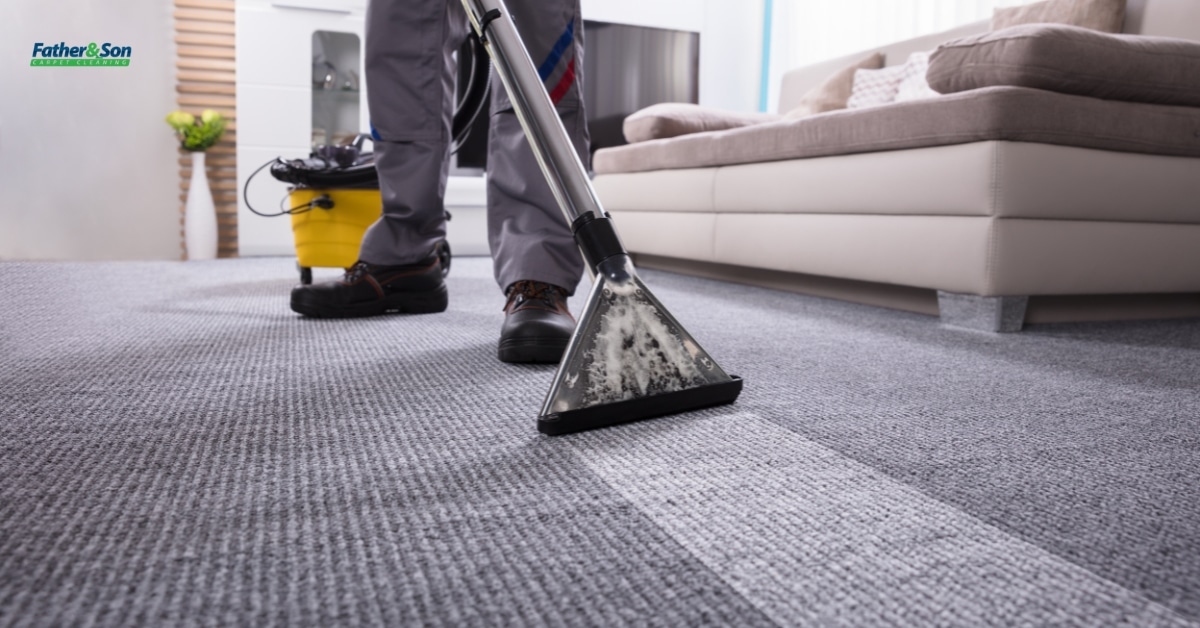
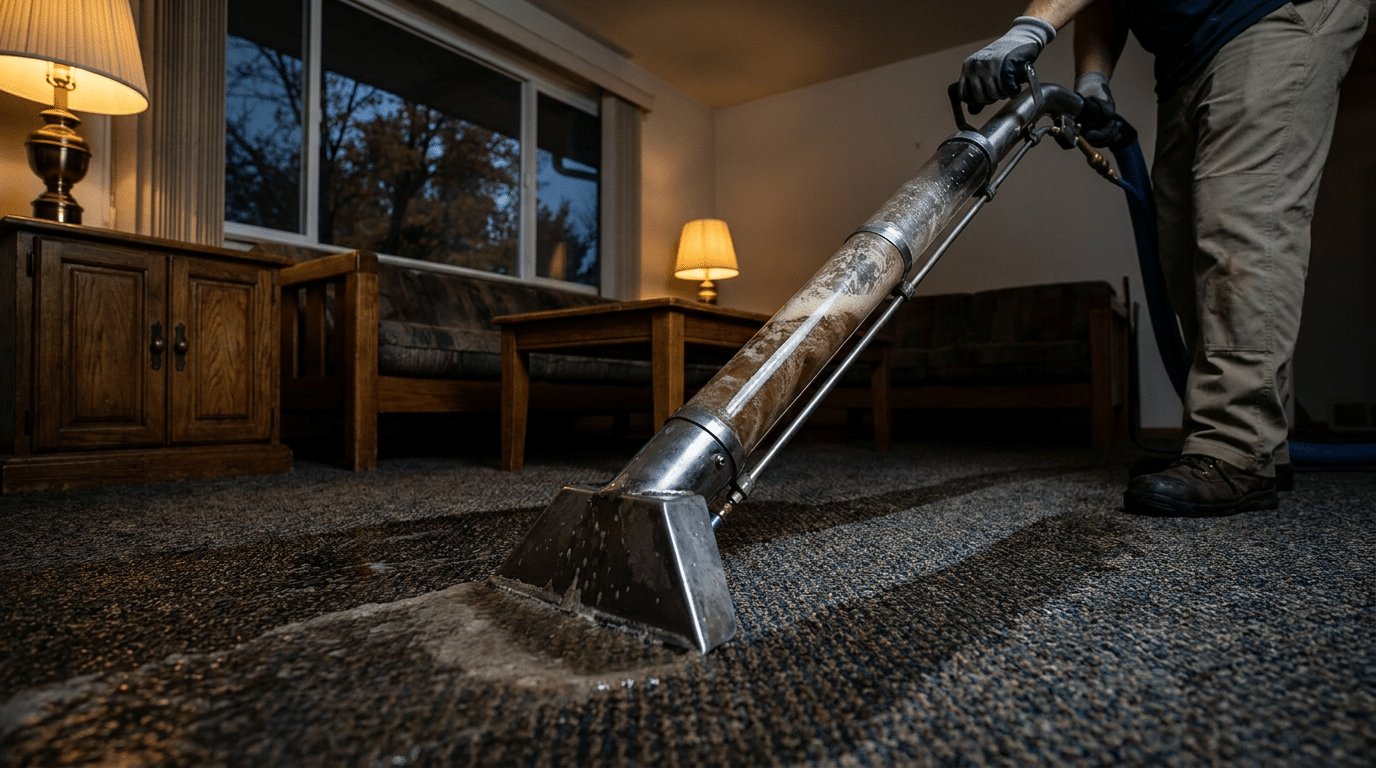
Emergency water extraction removes standing water and excess moisture from affected areas using professional water removal equipment.
It is often necessary after:
- Burst or leaking pipes
- Overflowing sinks, tubs, or toilets
- Washing machine or dishwasher leaks
- Water heater failures
- Basement flooding
- Storm-related water intrusion
Professional extraction equipment can remove water more effectively than ordinary household cleaning tools.
However, extraction does not automatically mean a property is completely dry. Moisture trapped beneath flooring or inside walls may require additional restoration work.
What’s the Difference Between Water Extraction and Structural Drying?
Water extraction and structural drying serve different purposes.
Water extraction removes standing water and recoverable moisture from accessible surfaces.
Structural drying addresses moisture remaining inside building materials after extraction.
A typical water damage response may involve three stages:
- Water removal: Pumps and extraction equipment remove standing water.
- Structural drying: Air movers and dehumidifiers help reduce retained moisture.
- Moisture verification: Moisture measurements help determine whether affected materials have reached appropriate drying conditions.
Even Utah’s relatively dry climate doesn’t guarantee wet carpets, walls, or subfloors will dry properly without professional attention.
Ask your service provider whether structural drying and moisture monitoring are included in the proposed work.
Why Is Emergency Water Extraction Important Within 24 to 48 Hours?
The longer water stays in a building, the more potential for additional damage.
Water can spread into carpet padding, flooring joints, baseboards, and surrounding building materials.
Delayed extraction may contribute to:
- Carpet and padding deterioration
- Swollen or warped flooring
- Damaged drywall and baseboards
- Persistent musty odors
- Microbial growth under favorable conditions
- Increased cleanup and repair costs
The first 24 to 48 hours are critical, but they aren’t a safe waiting period. Mold growth and material deterioration depend on moisture, temperature, contamination, and other conditions.
Contact a professional water extraction provider as soon as you discover significant water intrusion.
How Are Water Contamination Levels Classified?
Water damage professionals generally identify three contamination categories under the ANSI/IICRC S500 standard.
Category 1: Clean Water
Water originating from a sanitary source, such as a broken potable water supply line. It can become contaminated after contacting affected materials.
Category 2: Significantly Contaminated Water
Water containing contaminants that may cause discomfort or illness. Certain appliance discharges may fall into this category.
Category 3: Grossly Contaminated Water
Water that may contain harmful contaminants, including sewage and certain types of outdoor floodwater.
Contamination levels affect safety precautions, cleaning methods, and whether you can retain affected materials.
Important: Never assume standing water is safe simply because it looks clear.
The Emergency Water Extraction Process and Equipment
What Equipment Is Used for Professional Water Removal?
Professional water extraction may require different equipment depending on the amount of water and the affected materials.
| Equipment | Primary Purpose |
|---|---|
| Submersible pumps | Primary Purpose: Remove large amounts of standing water |
| Professional extraction units | Primary Purpose: Recover water from carpets and accessible flooring |
| Moisture meters | Primary Purpose: Measure moisture in affected materials |
| Air movers | Primary Purpose: Support controlled airflow during drying |
| Dehumidifiers | Primary Purpose: Reduce indoor moisture during structural drying |
Not every situation requires all this equipment.
For example, a flooded basement may require pumping before detailed extraction, while a wet carpet may need specialized extraction equipment.
A professional assessment helps determine the appropriate approach.
How Long Does Emergency Water Extraction Take?
The time required depends on the extent and conditions of the water damage.
Important factors include:
- Size of the affected area
- Depth and amount of standing water
- Number of affected rooms
- Type of flooring
- Water contamination level
- Accessibility and equipment requirements
Extracting water from one room may take considerably less time than removing water from a multi-level commercial property.
Remember that water extraction and complete structural drying have different timelines.
Additional drying, cleaning, monitoring, or repairs may continue after removing standing water.
Can Water-Damaged Carpets and Padding Be Saved?
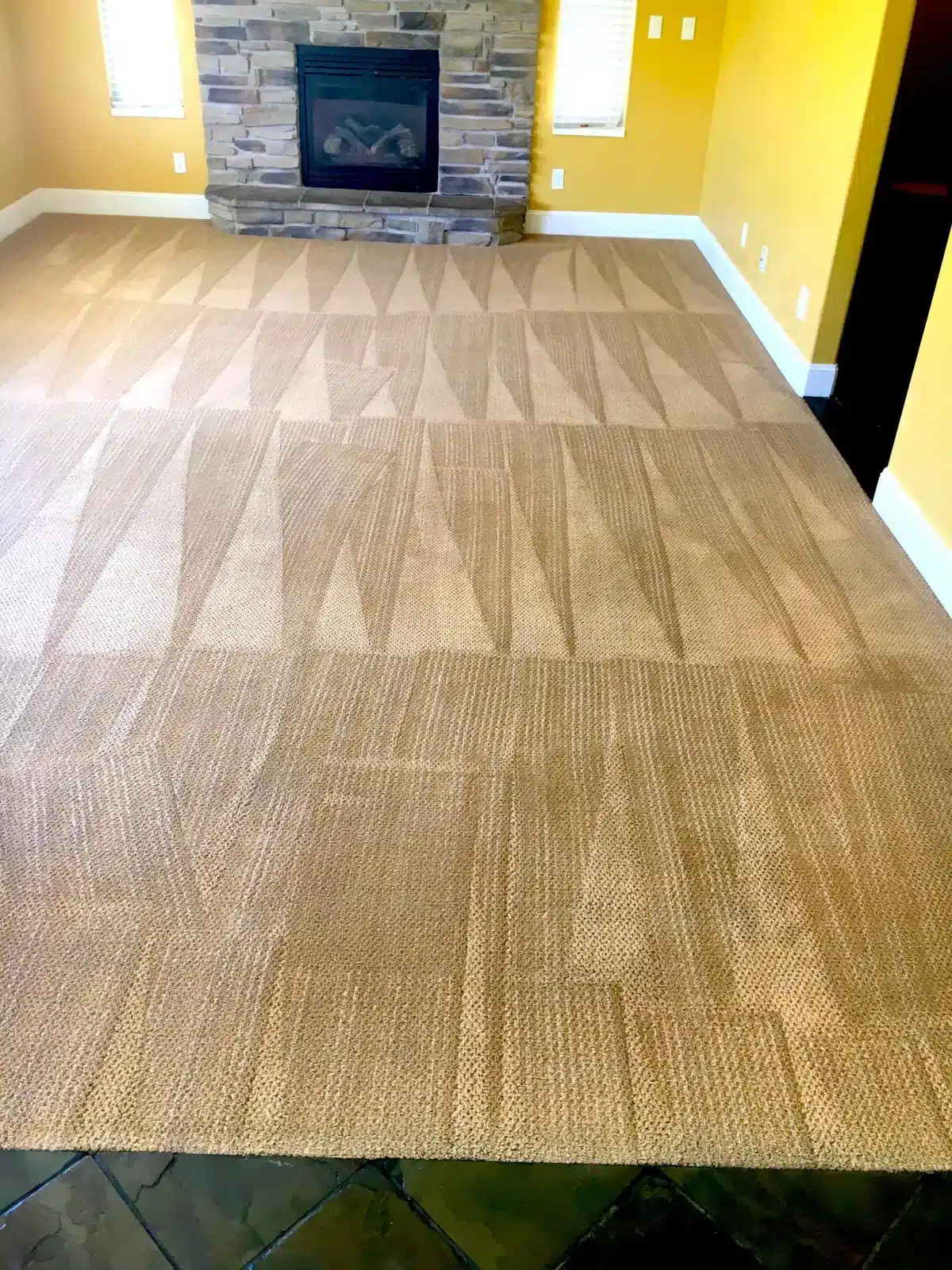
Some water-damaged carpets can be recovered, but not all are suitable for cleaning and reuse.
Recovery depends on:
- Water source and contamination level
- Duration of moisture exposure
- Condition of carpet backing
- Damage to underlying padding
- Ability to properly dry affected materials
For example, carpet exposed to a recent clean-water plumbing leak may have different recovery options than carpet affected by sewage or outdoor flooding.
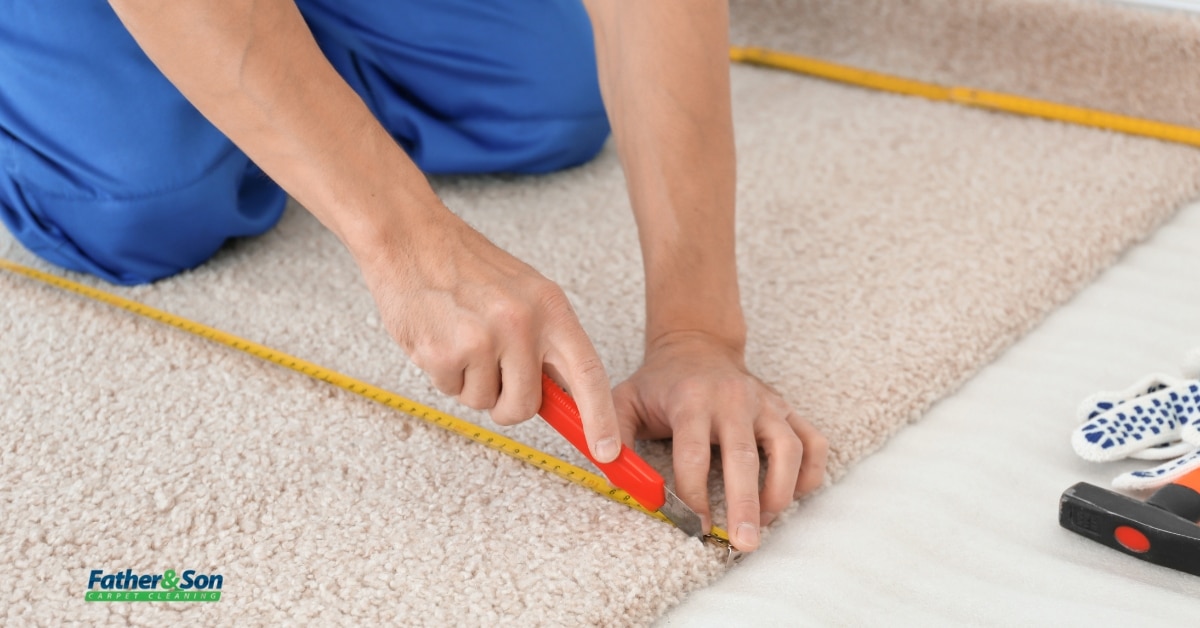
Sometimes you can save the carpet while the padding needs replacement. Severely contaminated or damaged materials may need removal.
A professional assessment helps determine whether cleaning, drying, repair, or replacement is appropriate.
Safety Precautions Before Emergency Water Extraction
What Should You Do Before Water Extraction Professionals Arrive?
Your safety should always come first.
If water enters your property, follow these precautions:
- Keep people and pets away. Avoid entering standing water when electrical safety or contamination is uncertain.
- Stop the water source if safe. Shut off the appropriate water valve when you can access it without entering hazardous areas.
- Avoid electrical equipment. Never touch wet outlets, appliances, cords, or electrical panels.
- Document visible damage. Take photographs or videos from a safe location.
- Protect accessible belongings. Move small valuables only when doing so presents no risk.
- Contact an emergency extraction provider. Explain the water source, affected rooms, and known hazards.
- Notify your insurance company. Report the incident and ask about documentation requirements.
Avoid applying household cleaning chemicals to contaminated areas before professional assessment.
What Electrical and Structural Hazards Require Immediate Attention?
Standing water near electrical equipment can create serious shock and fire hazards.
Never enter flooded areas to access electrical panels or disconnect submerged appliances.
Other warning signs include:
- Sagging ceilings
- Unstable flooring
- Water entering electrical fixtures
- Visible structural movement
- Sewage contamination
- Blocked exits
If immediate danger exists, leave the building and contact emergency services.
A qualified electrician or other appropriate specialist may need to evaluate hazardous conditions before cleanup begins.
Should You Use Fans or Open Windows After Flooding?
Not necessarily.
Household fans can spread contaminants when water is polluted. Opening windows may also introduce unwanted humidity.
Professional drying plans consider temperature, indoor humidity, airflow, and moisture retained in building materials.
Ask the responding team whether ventilation is appropriate before operating fans or opening windows.
Emergency Water Extraction Costs and Insurance
What Factors Affect Emergency Water Extraction Costs?
Emergency water removal costs vary by property and incident severity.
Common pricing factors include:
- Affected area: Larger spaces may require additional equipment and labor.
- Water depth: Significant standing water may require pumping.
- Contamination: Sewage or contaminated water requires additional precautions.
- Flooring materials: Carpet, padding, wood, and other materials require different handling.
- Accessibility: Stairs, furniture, and confined spaces may affect the work.
- Additional services: Drying, monitoring, sanitization, and repairs may be priced separately.
At Father and Son Carpet Cleaning, LLC, we offer free estimates and consultations. Contact our team to discuss your situation and whether you need an on-site assessment.
What Should a Water Extraction Estimate Include?
Before approving work, request a clear explanation of the proposed services.
Depending on the damage, an estimate may address:
- Initial assessment
- Standing water removal
- Carpet and flooring extraction
- Equipment setup
- Contaminated material handling
- Structural drying
- Moisture monitoring
- Sanitization or cleaning
- Damaged material disposal
Ask which services are included, which are separate, and how additional work will be approved.
A written scope helps prevent confusion about pricing and responsibilities.
Does Homeowners Insurance Cover Emergency Water Removal?
Some homeowners and commercial property insurance policies cover water removal associated with sudden and accidental damage, such as certain unexpected plumbing failures.
However, coverage depends on the policy and circumstances.
Outside flooding, gradual leaks, sewer backups, and mold-related damage may have separate exclusions or coverage requirements.
Contact your insurance provider to confirm:
- Whether the incident is covered
- Your deductible
- Required documentation
- Emergency mitigation procedures
- Coverage limits and exclusions
A contractor’s estimate does not guarantee insurance reimbursement.
How Should You Document Water Damage for an Insurance Claim?
Accurate documentation can help support your claim.
When safe, collect:
- Photos and videos of affected areas
- Date and time the damage was discovered
- Information about the suspected water source
- Inventory of damaged belongings
- Water extraction estimates and invoices
- Available moisture readings
- Insurance correspondence
Photograph affected rooms from different angles, including close-ups of visible damage.
Keep records of emergency work and follow your insurer’s instructions without delaying necessary safety measures.
Post-Extraction Drying, Sanitization, and Recovery
Is Sanitization Necessary After Emergency Water Extraction?
Sanitization may be necessary when water introduces contaminants or affected materials require additional cleaning.
However, not every water damage incident requires the same treatment.
The decision depends on contamination levels, material types, and whether you can safely clean affected surfaces.
Some porous materials may require removal rather than surface treatment.
Do Antimicrobial Treatments Prevent Mold Growth?
Antimicrobial products may help control certain microorganisms when used correctly, but they cannot guarantee mold prevention.
Moisture control is the most important priority.
Antimicrobial products do not remove moisture trapped inside padding, drywall, or subflooring.
When treatments are recommended, ask why they are necessary and whether the products are appropriate for the affected materials.
Always use EPA-registered antimicrobial products according to their approved label directions.
How Do Professionals Know When Water-Damaged Materials Are Dry?
A carpet or wall may feel dry while moisture remains beneath the surface.
Restoration professionals may use moisture meters and environmental measurements to evaluate drying progress.
They may assess:
- Flooring and subfloor moisture
- Accessible wall materials
- Indoor relative humidity
- Temperature
- Changes in moisture readings
Verify appropriate drying conditions before replacing flooring, reinstalling carpet, or repairing walls.
What Happens If Water Damage Is Not Properly Dried?
Trapped moisture can contribute to ongoing problems even after visible water disappears.
Potential consequences include musty odors, mold growth, swollen flooring, damaged carpet backing, deteriorating drywall, and additional repair expenses.
These outcomes aren’t inevitable, but they show why you must address extraction and structural drying separately.
24/7 Emergency Water Extraction Services in Utah
Unexpected water damage requires a careful, timely response.
Father and Son Carpet Cleaning, LLC provides 24/7 emergency water extraction services for homeowners and businesses in Utah.
We serve Sandy, Salt Lake City, Draper, South Jordan, Riverton, West Jordan, South Salt Lake, and surrounding communities.
Whether you’re dealing with a plumbing leak, appliance overflow, or flooded flooring, our team can discuss your water removal needs and available service options.
How Can You Request Emergency Water Extraction?
When calling, be ready to provide:
- Your property address
- The suspected water source
- Whether water is still entering
- Which rooms are affected
- Possible contamination concerns
- Any electrical or structural hazards
These details help our team understand the situation and discuss the next steps.
Our 24/7 availability does not guarantee a specific arrival time. Ask about the current response estimate when you call.
Act Quickly to Limit Water Damage
Water damage can spread beyond the areas you initially notice. Removing standing water promptly helps limit further exposure, but proper assessment and drying are also important.
Keep people and pets away from hazardous areas, stop the water source when safe, document visible damage, and seek professional assistance as soon as possible.
Need 24/7 Emergency Water Extraction in Sandy, Salt Lake City, or Surrounding Utah Areas?
At Father and Son Carpet Cleaning, LLC, we help residential and commercial property owners respond to unexpected water intrusion with professional emergency water extraction services.
Call (801) 618-1390 today for 24/7 emergency water extraction assistance or to request a free estimate.

- 24/7 Emergency Water Extraction FAQ: Common Questions Answered - October 22, 2026
- Tile and Grout Cleaning FAQ: Common Questions Answered - October 16, 2026